
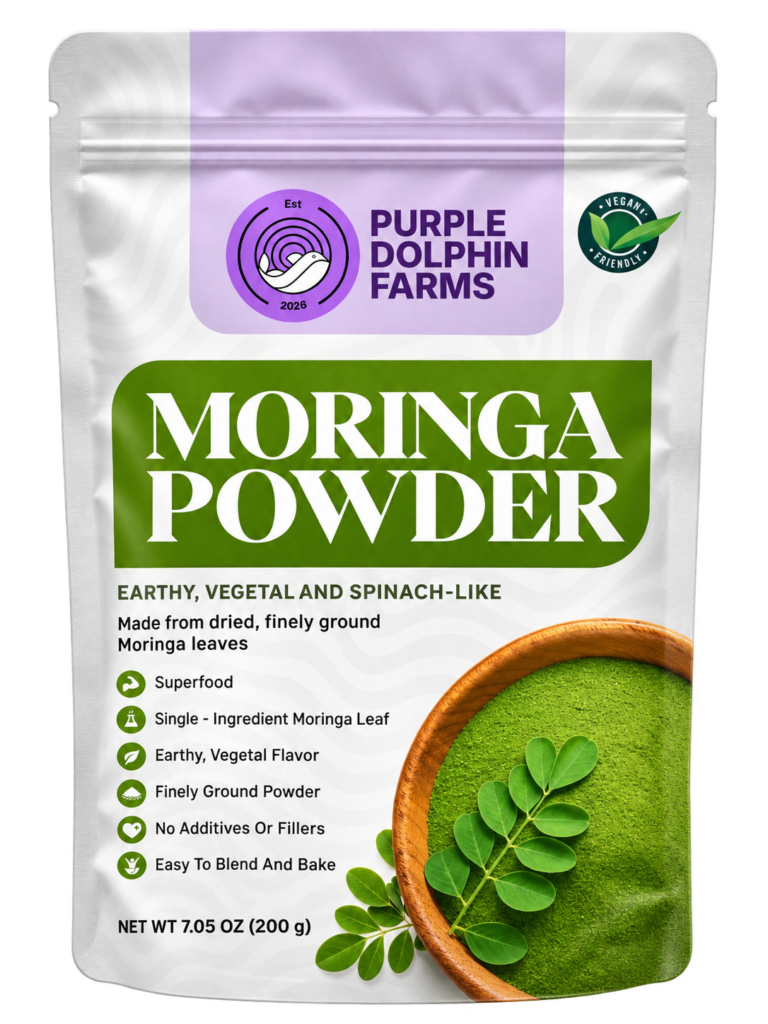
Moringa Powder
Moringa powder is made from the leaves of the moringa tree, also known as the drumstick tree. Native to parts of South Asia, moringa is now widely grown across tropical and subtropical regions, including Africa. Its leaves are valued for their nutritional content and naturally contain vitamins, minerals, plant protein and antioxidant compounds. With its earthy, green flavour, moringa powder can be added to smoothies, juices, soups, sauces and other everyday recipes. It offers a convenient way to incorporate this nutrient-dense leafy plant into your routine without having to prepare fresh leaves each time.
- Complete amino acid profile
- Rich in vitamins and minerals
- Anti-inflammatory isothiocyanates
- Supports cellular regeneration
- Broad-spectrum nutrient density
Mechanism of Action
Moringa oleifera contains over 90 nutrients including all essential amino acids, making it one of the most complete plant foods known. Its isothiocyanates inhibit inflammatory enzyme production, while its dense mineral profile (iron, calcium, potassium) provides the raw materials cells need for repair and regeneration.
Learn More About Moringa Powder
What is moringa?
Moringa, scientifically known as Moringa oleifera, is a fast-growing tree often called the drumstick tree because of its long, slender seed pods. Although native to the Indian subcontinent, it is now cultivated in tropical and subtropical regions around the world, including many African countries.
Moringa leaves are particularly valued as a food because they contain a range of nutrients. The leaves are harvested, dried and ground into a fine green powder that can be incorporated into everyday meals and drinks.
Moringa is sometimes called the “miracle tree”, but its real nutritional value is reason enough to pay attention to it. It contains plant protein, dietary fiber, beta-carotene, vitamin C, calcium, potassium and various plant compounds, including flavonoids and phenolic acids. The exact nutrient content varies with growing conditions and processing.
What does moringa do in the body?
- Nutritional support: Moringa leaves contain several vitamins, minerals and plant nutrients that contribute to normal body functions.
- Antioxidant protection: Moringa contains plant compounds such as quercetin and chlorogenic acid, which have antioxidant activity.
- Immune function: Nutrients such as vitamin C and beta-carotene support normal immune function. The amount present in a serving depends on the product and processing.
- Blood sugar regulation: Some small human studies have investigated moringa’s effects on blood glucose, but results are inconsistent and not sufficient to recommend it as a diabetes treatment.
- Cholesterol and cardiovascular health: Research has explored possible effects on cholesterol and blood pressure. Current human evidence is too limited to establish a reliable benefit.
- Inflammation: Moringa’s plant compounds have demonstrated anti-inflammatory activity in laboratory and animal research. Whether these effects translate into meaningful benefits in humans remains uncertain.
Health conditions and concerns being researched
Moringa has attracted research interest in relation to:
- Type 2 diabetes and blood sugar management.
- High cholesterol and other lipid abnormalities.
- High blood pressure.
- Oxidative stress.
- Inflammatory processes.
- Nutritional deficiencies.
These are research areas, not proven treatment uses. A 2025 meta-analysis of randomised human trials found no consistent benefits across most cardiometabolic measures and rated the overall evidence as very uncertain.
Who might find it useful?
People looking to add more plant-based nutrients to their diets, particularly those who enjoy incorporating leafy greens into smoothies, soups, sauces and other meals.
Things to be mindful of
- Moringa powder has an earthy, slightly bitter taste. Start with a small quantity and adjust to taste.
- People taking medication for diabetes or high blood pressure should speak with a healthcare professional before using concentrated moringa concentrated preparations regularly.
- Pregnancy requires particular caution with concentrated herbal preparations. Food use and concentrated preparation use are not necessarily equivalent.
- Choose products made from the leaves. Root and bark preparations have different safety considerations.
- Store in a cool, dry place to protect its quality.
Ways to enjoy it: Add to smoothies, juices, yoghurt, soups, sauces, pancakes, energy bites and homemade baked goods.
Plant protein, beta-carotene, minerals, fiber and flavonoids.