
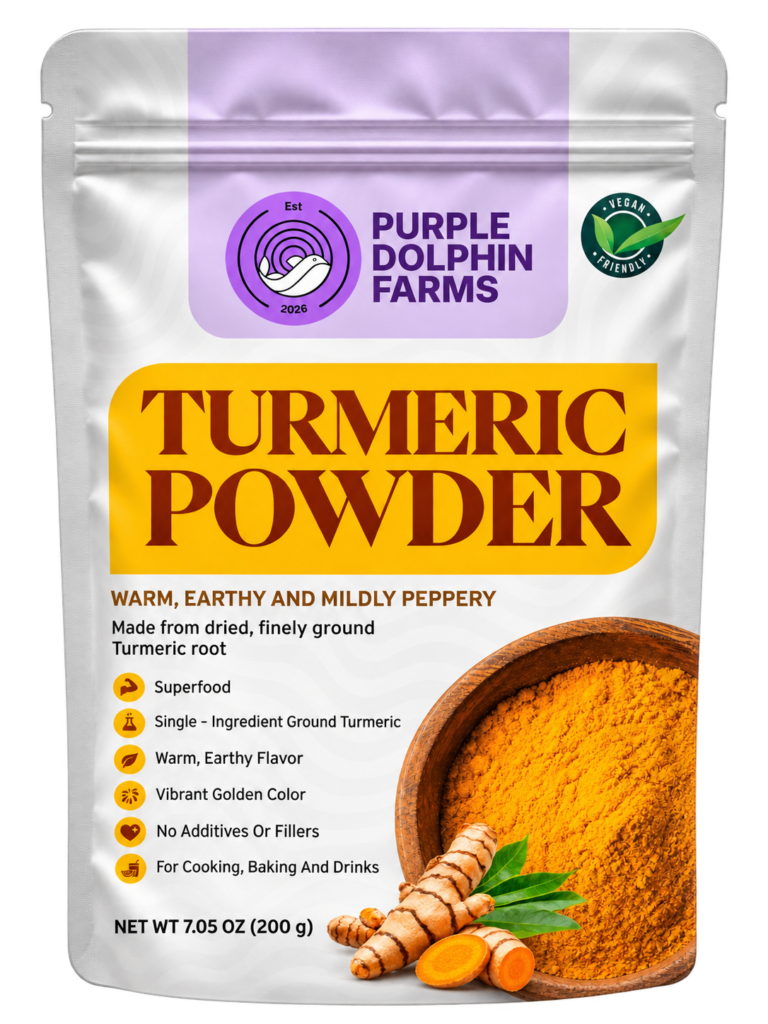
Turmeric
Turmeric is a golden-yellow spice made from the underground stem, known as a rhizome, of the Curcuma longa plant. It has a long history of use in South Asian cooking and traditional food practices. Turmeric contains curcumin, a naturally occurring plant compound studied for its antioxidant and anti-inflammatory properties. Its warm, earthy flavour and vibrant colour make it a versatile ingredient in everyday cooking. Add turmeric to soups, stews, curries, sauces, golden milk or smoothies. It is an easy way to bring a familiar culinary ingredient with valuable plant compounds into your daily routine.
- Potent anti-inflammatory
- NF-kB pathway modulation
- Nrf2 antioxidant activation
- Neuroprotective properties
- Joint health support
Mechanism of Action
Curcumin modulates the NF-kB inflammatory signaling pathway — one of the master switches of chronic inflammation. It also activates Nrf2, the body’s primary antioxidant defense system, upregulating the production of glutathione, superoxide dismutase, and other endogenous antioxidants.
Learn More About Turmeric
What is turmeric?
Turmeric (Curcuma longa) is a flowering plant in the ginger family. Its underground stem, known as a rhizome, is harvested, dried and ground into the bright golden-yellow spice commonly used in cooking. It has been a staple ingredient in South Asian cuisine for centuries and is now enjoyed around the world.
Turmeric contains several naturally occurring compounds called curcuminoids. The best known is curcumin, which gives turmeric much of its characteristic colour and has attracted considerable scientific interest because of its antioxidant and anti-inflammatory activity.
One important distinction: turmeric powder and concentrated curcumin concentrated preparations are not the same thing. Ordinary turmeric powder contains a relatively small proportion of curcumin, and the amount varies considerably.
What does turmeric do in the body?
- Inflammatory response: Curcumin has been studied for its ability to influence biological pathways involved in inflammation.
- Antioxidant activity: Curcumin can help neutralise certain free radicals and influence the body’s own antioxidant defence systems.
- Joint health: Research suggests turmeric or curcumin concentrated preparations may help reduce some symptoms of knee osteoarthritis, particularly pain and stiffness. More high-quality studies are needed.
- Metabolic health: Research has investigated turmeric’s possible effects on blood sugar, cholesterol and metabolic markers, but the evidence is not definitive.
- Liver health: Early studies have examined curcumin in people with metabolic dysfunction-associated fatty liver disease (formerly NAFLD). It is not established as a treatment.
- Digestive health: Turmeric has a long history of traditional use for digestive complaints, but strong clinical evidence for treating digestive conditions is lacking.
Health conditions and concerns being researched
Turmeric and curcumin have been studied in relation to:
- Osteoarthritis and joint discomfort.
- Chronic inflammatory conditions.
- Metabolic dysfunction-associated fatty liver disease.
- High cholesterol.
- Type 2 diabetes and metabolic health.
- Oxidative stress.
- Certain digestive and inflammatory conditions.
The most promising human evidence currently relates to some measures of knee osteoarthritis symptoms. Research into other conditions remains inconclusive. Turmeric should not be marketed as a treatment for arthritis, fatty liver disease or diabetes.
Who might find it useful?
People interested in adding antioxidant-containing spices to their diets, exploring traditional ingredients, or incorporating turmeric into meals and drinks.
Things to be mindful of
- Turmeric is generally used safely as a culinary spice in normal food quantities.
- Larger concentrated doses can cause nausea, reflux, stomach upset, diarrhoea or constipation.
- Some highly concentrated or enhanced-absorption curcumin concentrated preparations have been associated with liver injury.
- People with gallbladder or bile duct conditions, those taking regular medication, and those with liver concerns should seek medical advice before using concentrated concentrated preparations.
- High-dose turmeric concentrated preparations should be avoided during pregnancy unless advised by a healthcare professional.
- Black pepper is sometimes added to turmeric products because piperine can increase curcumin absorption. This may also affect how some medicines are processed.
Ways to enjoy it: Add to curries, soups, rice, sauces, roasted vegetables, smoothies and golden milk.
Curcuminoids, curcumin and other polyphenols.